Butt and Backflap hinge manufacturer Hinges
Our range of butt & backflap hinges are supplied
Flat-backed, undrilled and with riveted pins unless otherwise stated.
These hinges can be used as they are, or can be reworked, cranked, pierced, cropped, etc. to your own specification.
In addition to standard blanks, the majority of items are also available with standard piercing.
AVAILABLE MATERIALS
- Mild Steel
- Stainless Steel 304
- Stainless Steel 316
- Brass
- Aluminium
Butt and Backflap hinge manufacturer Hinge range -
stock items adapted to your needs
BESPOKE
Butt & Backflap
Hinge Manufacturer
As we design and manufacturer Butt and Backflap hinges in the UK, we have complete flexibility to develop them to match your needs. In addition to standard blanks, most items are available with standard piercing
>
Technical Information
Need to know more?
Here is all the technical information you need about our Butt and Backflap range.
Read More >
Hinge Materials
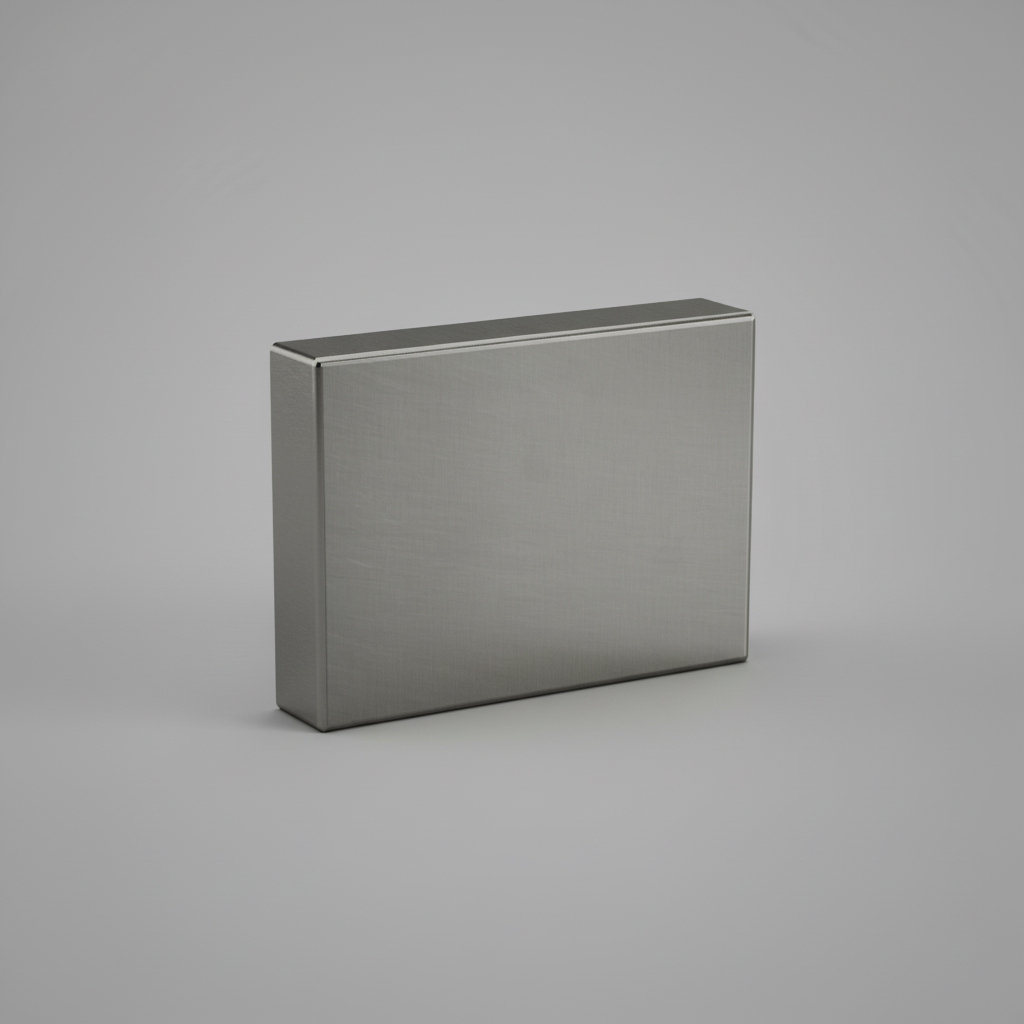
304/316 Stainless Steel
Shop 304 and 316 Stainless Steel hinges. Our 316 grade offers superior resistance to saline and acidic environments, ensuring long-term integrity.
>
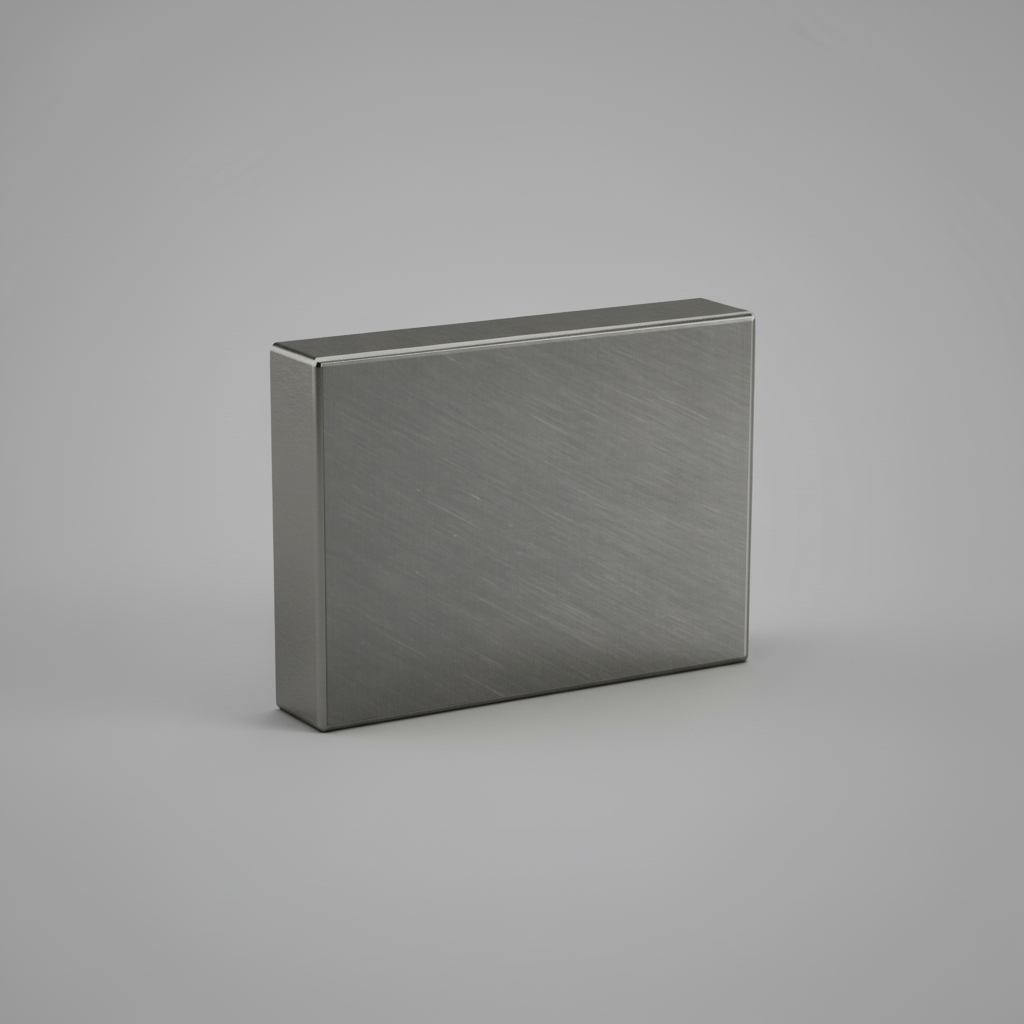
Mild Steel
This is a test page. This page is not needed.
>
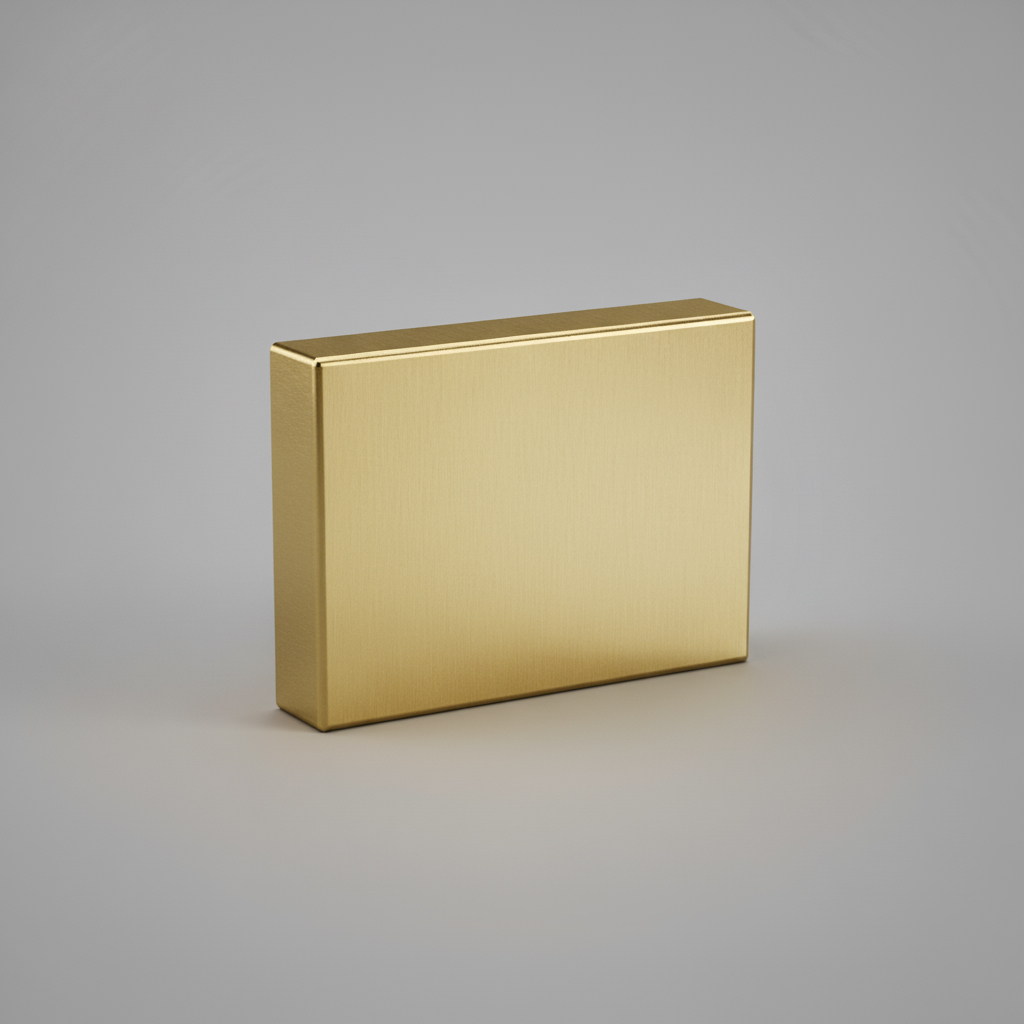
Brass
Choose brass for non-magnetic, corrosion-resistant hinges. Durable and aesthetic, it’s the perfect choice for specialized architectural and marine use.
>
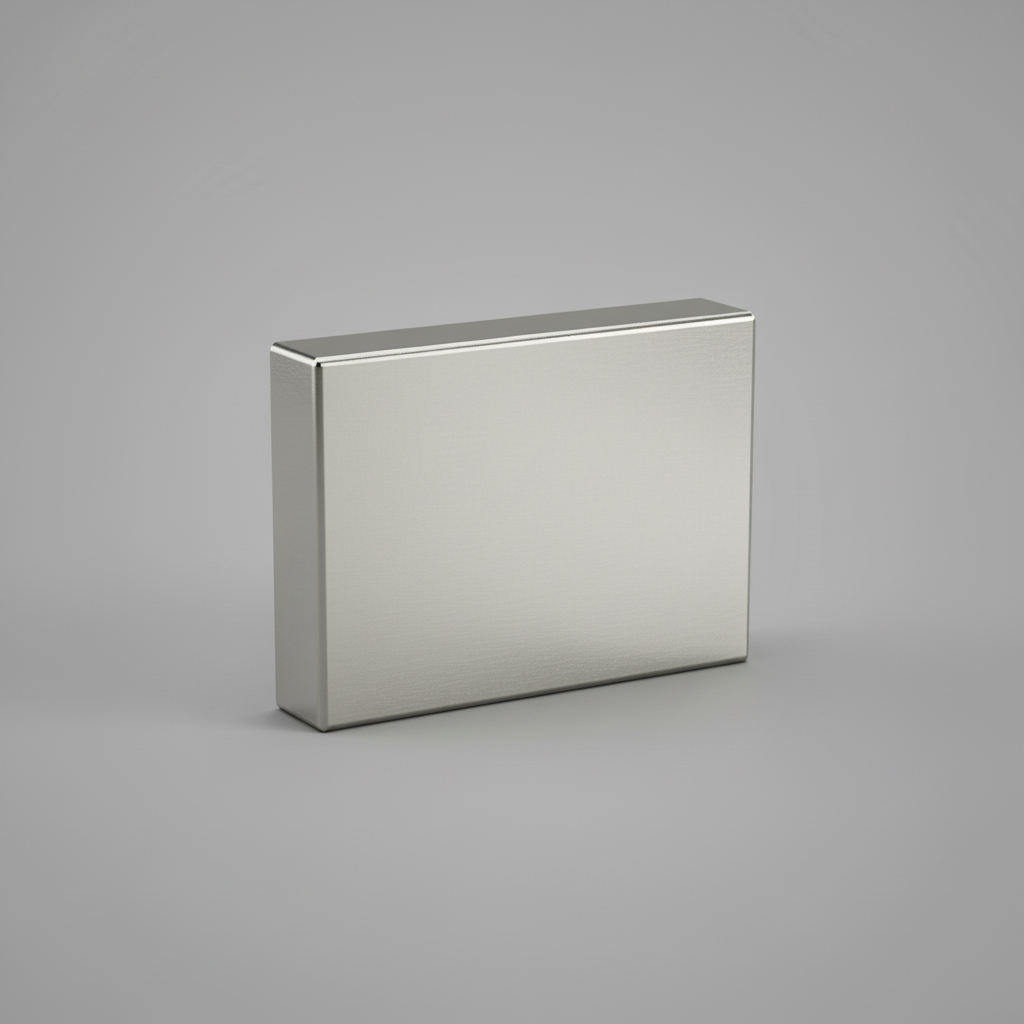
Aluminium
Aluminium hinges are prized for their high strength-to-weight ratio and natural corrosion resistance. Being significantly lighter than steel, they are perfect for aerospace, automotive, and modern transport applications where reducing fuel consumption and "dead weight" is a critical design priority.
>